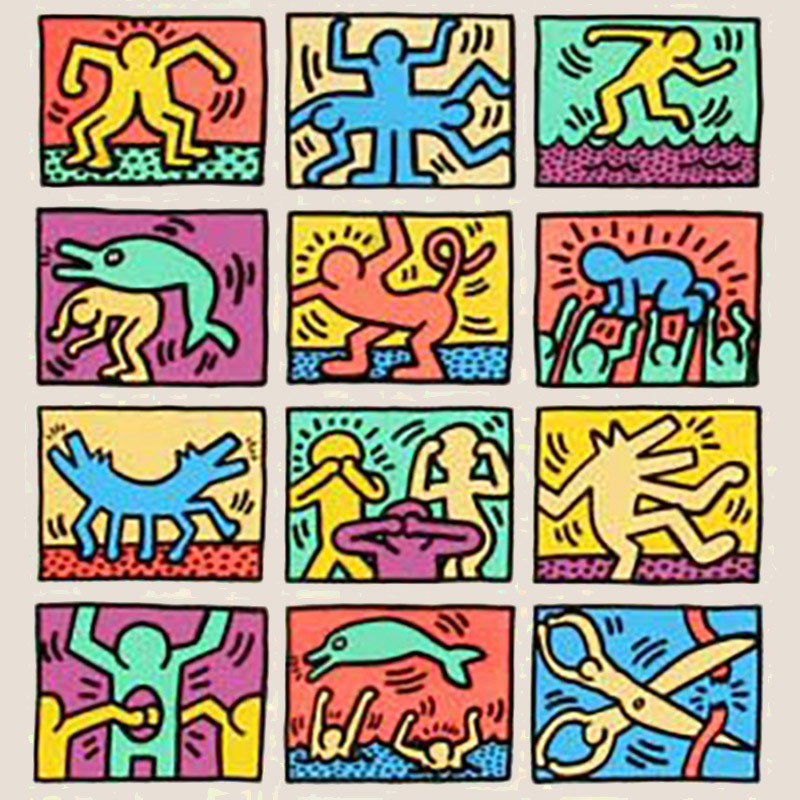

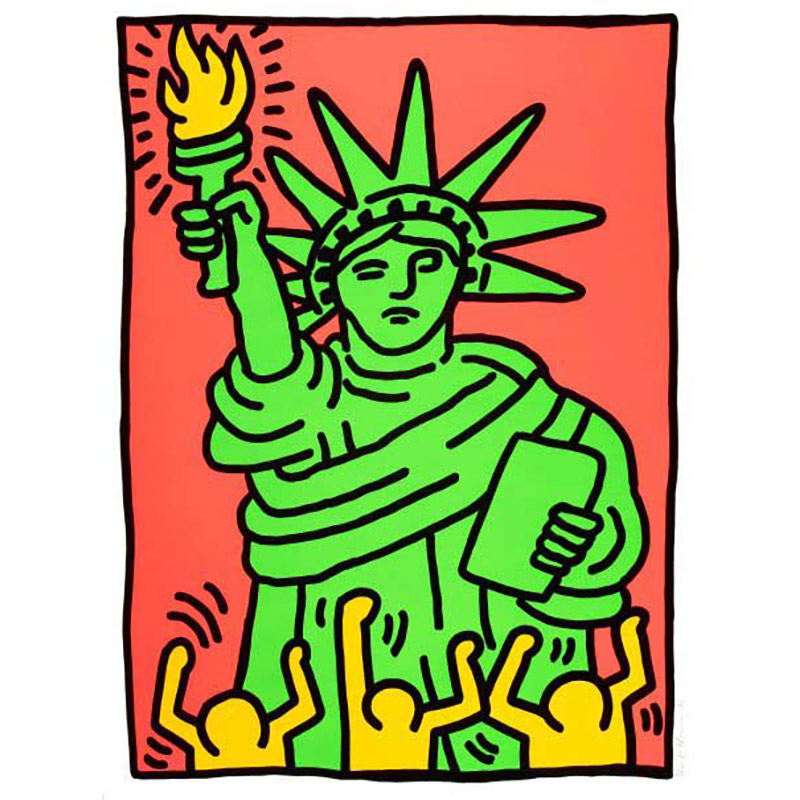
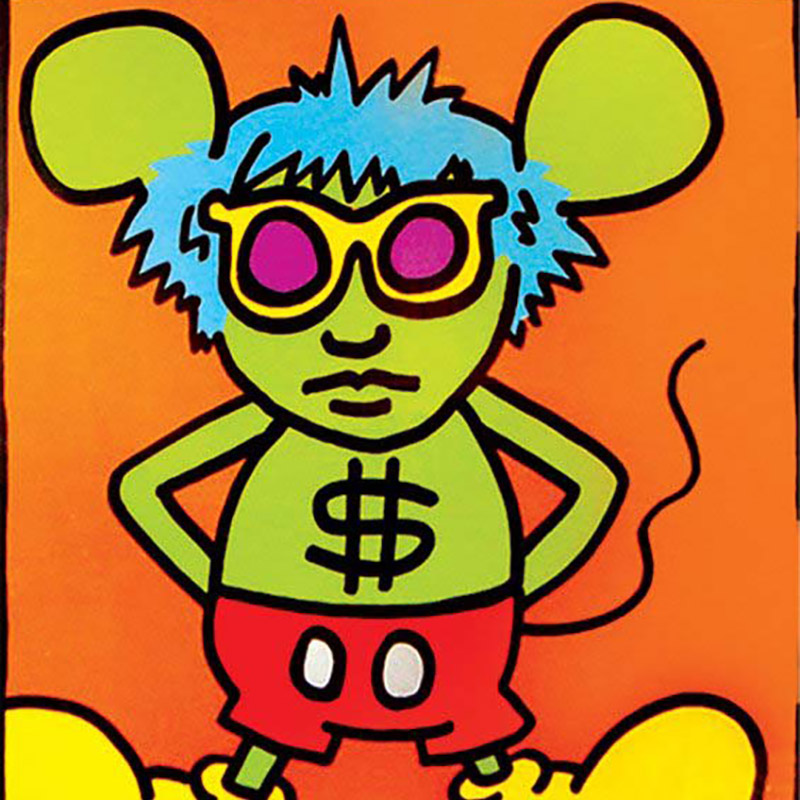
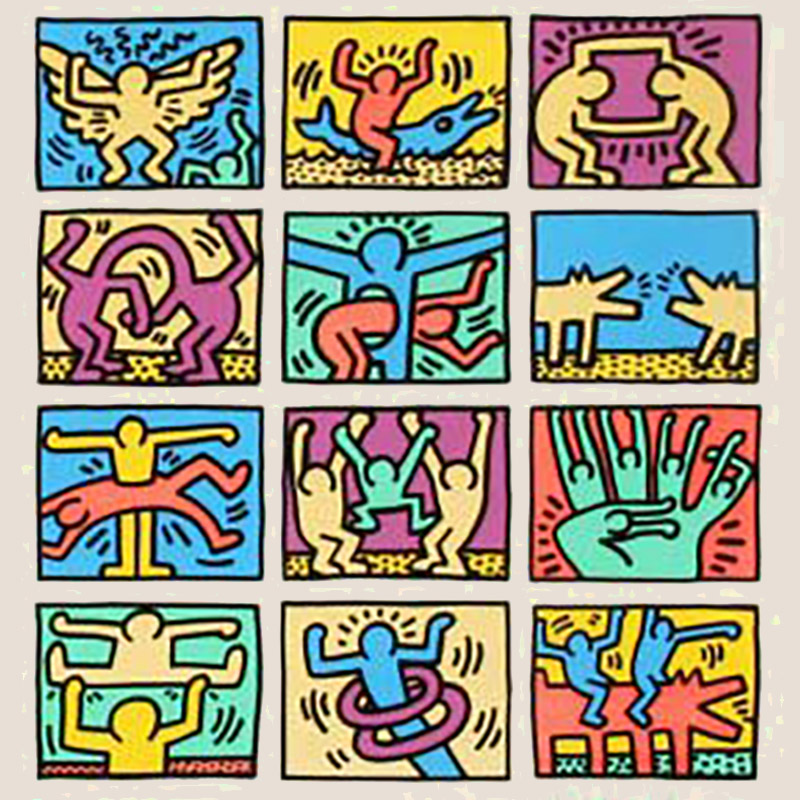
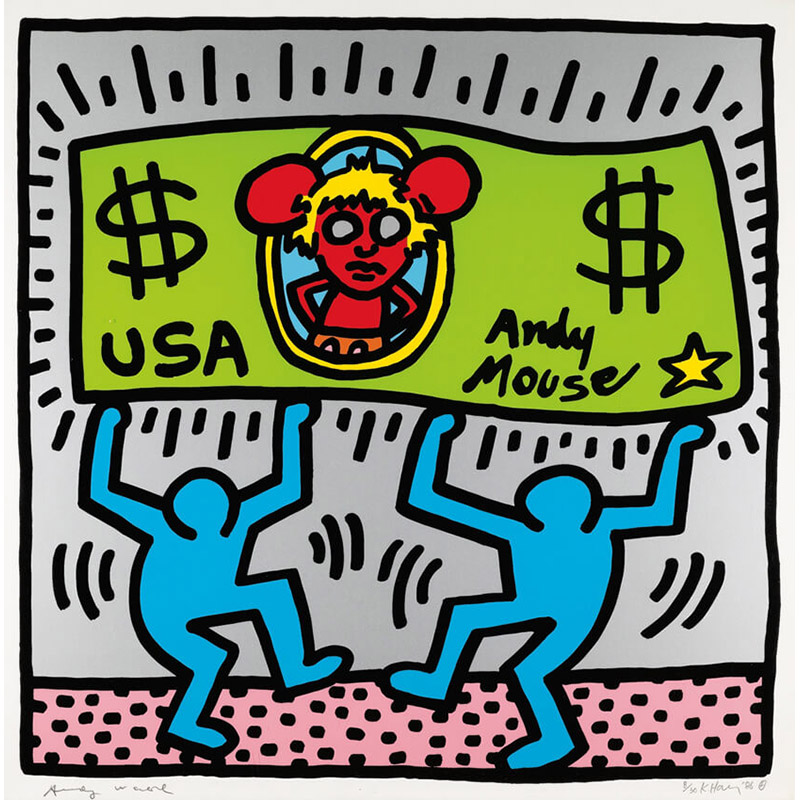
Keith Haring’s Pop Shop prints are among his most recognizable and collectible editions. Created in the late 1980s, these colorful screenprints feature the bold figures, movement and graphic imagery that define Haring’s visual language.
For owners, however, identifying and valuing a Pop Shop print requires more than recognizing the image. The exact series, individual plate, edition number, signature, publisher, condition, provenance and Littmann catalogue information can all affect market value.
If you own a Keith Haring Pop Shop print and are considering selling it, the first step is determining exactly which edition you have.
What Are Keith Haring Pop Shop Prints?
Keith Haring opened the original Pop Shop in SoHo, New York, in 1986 as a way to make his imagery accessible to a wider audience. The store sold affordable items featuring Haring’s work, while the Pop Shop concept itself became an important extension of his artistic practice.
Haring later created a number of limited-edition screenprint portfolios using the Pop Shop name.
These editions typically feature Haring’s signature figures, dancers, radiant forms and energetic black outlines in bright color combinations.
The Pop Shop portfolios have become an important part of the market for Keith Haring prints.
Keith Haring Pop Shop I, II, III, IV, V and VI
The principal Pop Shop portfolios include:
- Pop Shop I
- Pop Shop II
- Pop Shop III
- Pop Shop IV
- Pop Shop V
- Pop Shop VI
Each portfolio contains multiple individual screenprints, and the market can vary considerably from one image and series to another.
For example, auction records document Pop Shop I from 1987 and Pop Shop II from 1988, while later Pop Shop portfolios were produced in 1989.
Many of these portfolios were produced in numbered editions of 200, often with additional Artist’s Proofs or other proof impressions.
How Do I Identify My Keith Haring Pop Shop Print?
To correctly identify a Pop Shop print, review as many of the following details as possible:
- Exact image
- Pop Shop series number
- Date
- Screenprint technique
- Paper
- Sheet dimensions
- Signature
- Edition number
- Proof designation
- Publisher
- Blindstamp
- Estate stamp, when applicable
- Littmann catalogue reference
- Provenance
The exact combination of these details can help distinguish one documented edition from another.
A photograph of the front alone is often not enough. The reverse, margins, signature, numbering and any publisher or estate markings can also be important.
Are Keith Haring Pop Shop Prints Signed?
Many Pop Shop prints produced during Haring’s lifetime were signed, dated and numbered in pencil.
For example, Phillips has documented Pop Shop I impressions from 1987 signed, dated and numbered by Haring in pencil, including examples from the numbered edition of 200.
However, some later Pop Shop editions were completed or released through the Keith Haring Estate after Haring’s death.
Auction records for Pop Shop V and Pop Shop VI show examples bearing an estate stamp on the reverse and signed by Julia Gruen, executor of the Keith Haring Estate, rather than carrying Haring’s lifetime pencil signature.
This distinction is important when identifying the exact edition and comparing market values.
What Does the Edition Number Mean?
Many Pop Shop portfolios were issued in limited numbered editions.
A number such as:
75/200
indicates impression 75 from a numbered edition of 200.
Some editions also included:
- Artist’s Proofs, often marked A.P.
- Printer’s Proofs, sometimes marked P.P.
- Hors Commerce impressions, marked H.C.
- Other documented proof impressions
For example, Christie’s records Pop Shop II as an edition of 200 with additional Artist’s Proofs, while other documented impressions include H.C. and printer’s proof examples.
The exact proof type may affect rarity and market value.
What Is a Littmann Reference?
Geraldine Littmann’s catalogue of Keith Haring prints is an important reference used by auction houses and specialists to identify documented Haring editions.
Auction catalogues regularly cite Littmann references when describing Pop Shop prints.
For example, Sotheby’s catalogues Pop Shop III and Pop Shop VI using Littmann references when identifying the exact works and editions.
A Littmann reference helps establish which documented print you have, but it does not by itself authenticate a physical impression.
The actual artwork should correspond with the documented edition in terms of image, dimensions, printing technique, paper, signature, edition and publisher information.
How Much Is a Keith Haring Pop Shop Print Worth?
There is no single value for all Keith Haring Pop Shop prints.
The market can vary based on:
- Exact Pop Shop series
- Individual image
- Complete set vs. single print
- Signature
- Edition number
- Proof type
- Condition
- Color quality
- Margins
- Provenance
- Publisher markings
- Estate documentation
- Current collector demand
Recent auction results show why the exact work matters.
Phillips has recorded individual Pop Shop I and Pop Shop IV prints selling well above their presale estimates, while complete Pop Shop sets can occupy a different price level entirely.
Christie’s sold a complete Pop Shop V set for $53,340 in February 2026, demonstrating continued collector demand for complete documented portfolios.
Past auction results should not be treated as an automatic valuation for another impression. Condition, edition type, market timing and the exact image can materially affect value.
Is a Complete Pop Shop Set Worth More Than a Single Print?
A complete portfolio can have different market dynamics from a single individual plate.
Collectors may place additional value on a set when:
- All intended prints are present
- Edition numbers correspond
- Condition is consistent
- Original portfolio materials remain
- Publisher markings are present
- Provenance is documented
Complete sets are also less common than individual prints that have been separated from portfolios.
For this reason, if you own multiple Pop Shop prints from the same set, it is generally worth determining whether they originally belonged together before selling them individually.
How Does Condition Affect Keith Haring Pop Shop Value?
Condition can materially affect the value of a Pop Shop print.
Important issues include:
- Fading
- Surface rubbing
- Staining
- Foxing
- Creasing
- Tears
- Trimmed margins
- Mounting
- Tape residue
- Restoration
- Damage to the paper
Color is particularly important because Pop Shop works are known for their bright, graphic presentation.
Auction catalogues frequently note whether Pop Shop prints retain full margins and whether the colors or surfaces show attenuation or rubbing.
Do not clean, trim or restore a Pop Shop print before obtaining specialist advice.
How Do I Know If My Keith Haring Pop Shop Print Is Authentic?
No single feature establishes authenticity.
Identification should involve the complete artwork and its documented characteristics, including:
- Image
- Screenprinting technique
- Paper
- Dimensions
- Signature
- Edition number
- Proof type
- Publisher
- Blindstamp
- Estate stamp, when applicable
- Littmann reference
- Provenance
The Keith Haring Foundation no longer operates an authentication committee and stopped accepting new works for authentication review after September 1, 2012.
That makes accurate documentation, provenance and comparison with recognized catalogue information especially important when researching a Haring print today.
Lifetime-Signed vs. Estate-Signed Pop Shop Prints
This is an important distinction.
Some Pop Shop prints were signed by Keith Haring during his lifetime.
Others, particularly certain later editions, may carry estate documentation or a signature by Julia Gruen on an estate stamp.
These should not automatically be treated as the same type of impression.
When evaluating a Pop Shop print, determine:
- Whether Haring personally signed it
- Whether it was issued after his death
- Whether an estate stamp is present
- Who signed the estate documentation
- How the specific edition was originally published
This can materially affect how buyers understand and value the work.
Who Published the Pop Shop Prints?
Publisher information can help identify the specific edition.
Some Pop Shop editions were published by Martin Lawrence Limited Editions, while certain earlier editions were published by Haring himself. Auction records document these differences across Pop Shop I, II, IV, V and VI.
Blindstamps and publisher markings can therefore be useful identifying features.
What Should I Send for a Keith Haring Pop Shop Review?
Please send, whenever possible:
- Clear photograph of the entire front
- Photograph of the reverse
- Close-up of the signature
- Edition number
- Proof designation
- Full sheet and margins
- Dimensions
- Publisher or blindstamp
- Estate stamp, if present
- Labels or inscriptions
- Purchase invoice or provenance
- Photographs of any condition issues
If you know the Pop Shop series or Littmann reference, include that information as well.
If you do not have all of these details, send what you have. Clear photographs are often enough to begin identifying the exact work.
Frequently Asked Questions About Keith Haring Pop Shop Prints
Are Keith Haring Pop Shop prints valuable?
Yes, documented Pop Shop screenprints can have substantial collector value. The exact value depends on the individual image, series, signature, edition, proof type, condition, provenance and current market demand.
Are all Pop Shop prints signed by Keith Haring?
No. Some were signed by Haring during his lifetime, while certain later editions may have estate stamps and signatures from Julia Gruen as executor of the Keith Haring Estate. The exact edition should be identified before determining value.
How many Keith Haring Pop Shop prints were made?
Many Pop Shop editions were produced in numbered editions of 200, with additional Artist’s Proofs or other proof impressions. Edition structures vary, so the specific series should be checked individually.
What is the difference between a single Pop Shop print and a complete set?
A single print is one plate from a Pop Shop portfolio. A complete set contains all of the prints originally issued together in that portfolio. Complete matching sets can occupy a different market than individual plates.
Does a Littmann number prove my Haring is authentic?
No. A Littmann reference helps identify a documented Keith Haring edition, but the physical work still needs to correspond with the documented image, dimensions, technique, paper, signature, edition and publisher information.
Can I sell one Keith Haring Pop Shop print without the full set?
Yes. Individual Pop Shop prints are actively collected and sold separately. The value depends on the particular image, edition, condition and current collector demand.
Considering Selling Your Keith Haring Pop Shop Print?
If you own a Keith Haring Pop Shop I, II, III, IV, V or VI print, individual plate or complete set and are considering a sale, send us clear photographs and any information you have.
We can review the exact work, edition, signature, Littmann reference, condition, provenance and relevant recent market activity.
If the Keith Haring Pop Shop print is a work we are interested in acquiring, we may provide a confidential direct purchase offer.
Read More About Keith Haring Art
How Much Is My Keith Haring Worth?
Learn what affects the value of Keith Haring prints, paintings and editions, including signatures, condition, rarity, provenance and recent comparable sales.
How to Tell If Your Keith Haring Is Original
Learn how signatures, edition numbers, estate stamps, Littmann references, provenance and documented publication details can help identify a Keith Haring artwork.
Keith Haring Andy Mouse: Value, Editions & Identification
Explore Andy Mouse, including its four-print format, Haring and Warhol signatures, edition structure, proof types, condition and complete-set considerations.
Keith Haring Icons Series: Value, Editions & Identification
Learn about the five-print Icons portfolio, including estate stamps, Julia Gruen signatures, embossing, editions and complete-set value.
Keith Haring Fertility Suite: Value, Editions & Identification
Learn how to identify and value the five-print Fertility Suite, including lifetime signatures, edition size, Artist’s Proofs, condition, provenance and complete-set value.
Keith Haring Apocalypse Series: Value, Editions & Identification
Explore Haring’s 1988 Apocalypse portfolio, including its 10-print format, William S. Burroughs collaboration, edition structure, Littmann references, condition and complete-set considerations.
How to Sell Keith Haring Art
See how the selling process works, from submitting photographs and identifying the artwork to reviewing the market and receiving a potential direct purchase offer.
Sell Your Keith Haring
Considering selling a Keith Haring print, drawing, painting, sculpture or edition? Submit photographs and details about the artwork to begin the review process.